
Banned on Social: Health Posts You’ll Never See in today’s hyperconnected world, knowledge zips across digital highways in an instant. Yet, not all health information reaches your feed. Some posts disappear under the iron fist of moderation, swept away by opaque algorithms or draconian policies. This shadow realm of social media health information bans brims with tantalizing tidbits, contested claims, and sometimes lifesaving advice—hidden from view. Buckle up for an enlightening expedition into the labyrinth of digital censorship, where corporate prerogatives, regulatory imperatives, and algorithmic black boxes converge to shape what you’re allowed to know about your body, mind, and well‑being.
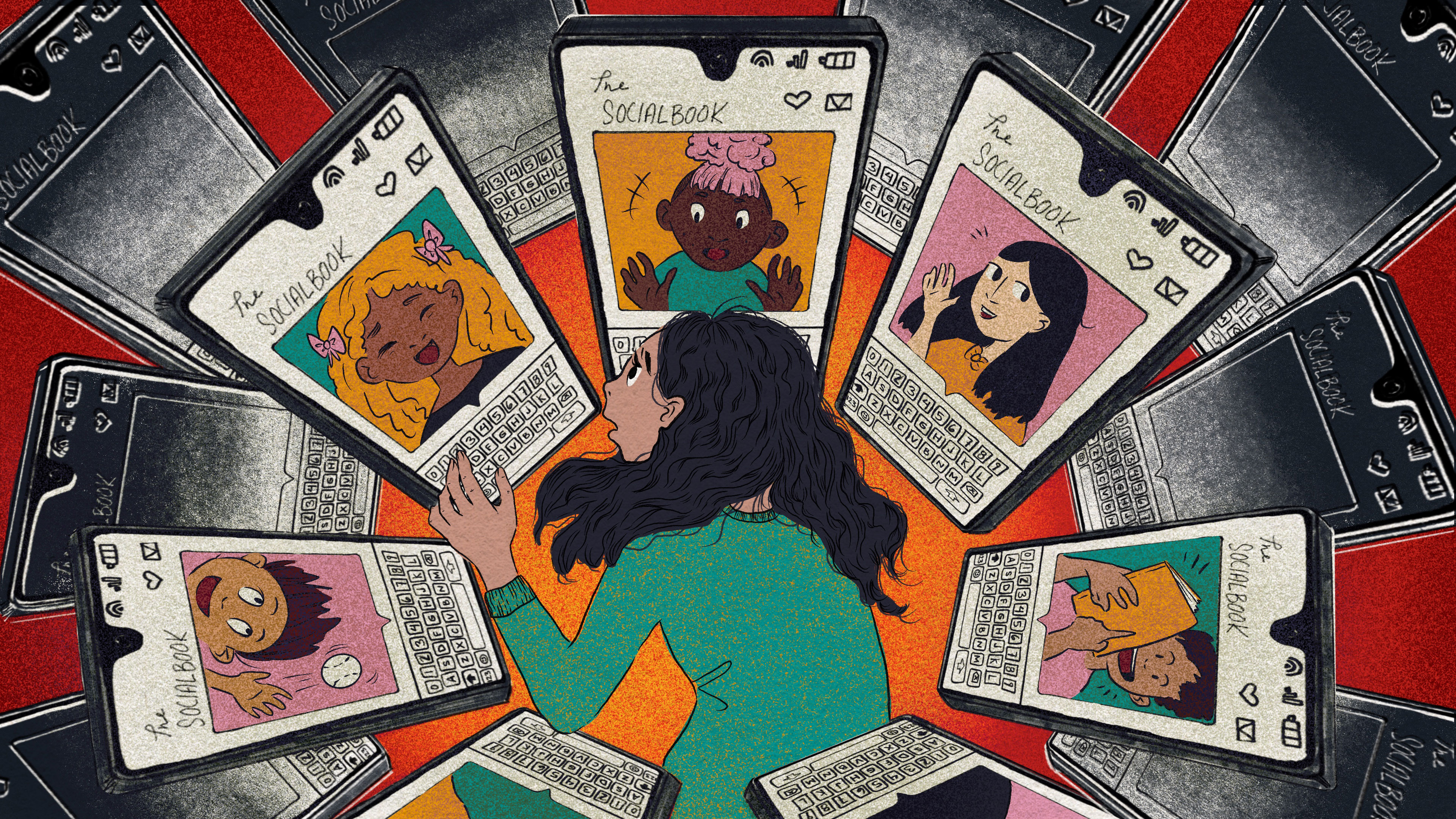
1. The Rise of Algorithmic Gatekeepers
Tech conglomerates deploy sophisticated artificial‑intelligence engines to police content at scale. These algorithmic gatekeepers scrutinize every post: natural language processing parses your words; computer vision analyzes attached images; heuristic thresholds flag “sensitive” topics.
Short sentences.
Long deliberations masked as automation.
While such systems can curb dangerous misinformation—like unproven miracle cures—they often cast a wider net. Legitimate discussions on ketogenic diets, plant‑based remedies, or emerging microbiome research can be swept away alongside fringe pseudoscience. The byproduct? An incomplete tapestry of health knowledge, where nuance is sacrificed for expediency.
2. Platforms and Their Policies
Each social network maintains a bespoke playbook. Facebook, Instagram, TikTok, Twitter, and YouTube have distinct stipulations regarding medical claims, anecdotal reports, and user testimonials.
- Facebook and Instagram ban posts that explicitly promote self‑harm remedies or unverified treatments for serious illnesses.
- TikTok removes content deemed to encourage dangerous weight‑loss behaviors, such as extreme fasting or “detox tea” regimens.
- Twitter flags tweets containing misinformation about vaccines or pandemic protocols and may “hide” them behind disclaimers.
- YouTube demonetizes videos that propagate false claims about cancer cures or purported cures for autism.
Despite fine print, enforcement is infamously inconsistent. A science communicator might find a meticulous exposé on emerging probiotic therapies removed, while a TikTok star’s dubious herbal oil “miracle” thrives.
3. Case Study: The Antibiotic Resistance Dilemma
Consider the burgeoning crisis of antibiotic resistance. Researchers tirelessly share peer‑reviewed findings on alternative antimicrobial peptides and phage therapy. Yet posts summarizing these breakthroughs often collide with policies against “medical advice.”
Imagine a microbiologist posting: “New phage cocktails show 90% efficacy against MRSA in vivo trials.” Automated filters might interpret this as unlicensed medical instruction, dropping the content. Meanwhile, sensationalized videos touting colloidal silver—an unproven, potentially toxic treatment—might circulate unimpeded.
This paradox underscores a fundamental flaw: social media health information bans frequently suppress credible science while allowing fear‑mongering to flourish.
4. Vaccine Discourse: Between Censorship and Public Safety
Vaccination remains one of the most polarized arenas online. In the COVID‑19 era, platforms implemented stringent measures:
- Labeling or removing anti‑vaccine rhetoric.
- Downranking posts earmarked as “vaccine hesitancy.”
- Redirecting users to authoritative health resources.
The intent is noble—curtailing dangerous conspiracies. Yet, some posts discussing rare adverse events or nuanced efficacy data have been swept away, stifling balanced debate. A parent seeking clarity on mRNA booster protocols may find crucial threads deleted, forcing them to rely on echo chambers. The delicate balance between public safety and free exchange of medical nuances remains tenuous.
5. Herbal Remedies and Traditional Medicine
The domain of ethnobotany teems with millennia‑old wisdom: Ayurveda, Traditional Chinese Medicine, and indigenous healing modalities. Enthusiasts share insights about adaptogenic mushrooms like reishi or anti‑inflammatory botanicals like turmeric.
Alas, many social media health information bans categorize these posts as “unverified.” A detailed infographic on Ashwagandha’s cortisol‑modulating properties can be yanked for lacking FDA approval. Conversely, self‑appointed wellness influencers peddling “miracle mushrooms” escape scrutiny through vague disclaimers. The result is a patchwork of access: ancestral knowledge gets quarantined while clickbait thrives.
6. Men’s Health, Women’s Health, and Everything in Between
Gender‑specific health discussions often suffer under blanket bans. Posts about menstrual hygiene innovations, such as biodegradable period panties, might trigger filters for “explicit content.” Similarly, conversations about erectile dysfunction treatments—like low‑intensity shockwave therapy—can be deemed “adult” and restricted.
Short sentences.
Long‑winded euphemisms.
Ironically, these restrictions perpetuate stigma. The intimate nature of certain conditions demands frank discourse. Yet, social media health information bans often relegate these topics to the shadows, leaving genuine seekers in the dark.
7. Mental Health Conversations
Censorship here is paradoxical. Platforms promote mental‑health awareness campaigns, yet they remove content they deem to “trigger” self‑harm. Survivor testimonies about overcoming depression or using EMDR therapy might be flagged as graphic or harmful.
Algorithms struggle to differentiate between advocacy and glorification. A heartfelt video detailing personal struggles with panic attacks can be tagged as “inappropriate,” whereas stoic denial of mental‑health issues—or bizarre conspiracy theories linking therapy to mind control—slip through unchallenged. The consequence: silencing of authentic voices in favor of sensationalist noise.
8. Nutritional Science Under Siege
Nutritional science is in constant flux, riddled with conflicting studies. Posts dissecting macronutrient ratios for metabolic flexibility or the role of exogenous ketones in cognitive resilience are prime targets for removal as “medical advice.”
In the same vein, clickbait articles praising ultra-processed vitamin gummies—promoted by wellness brands—proliferate unchecked. The dichotomy between rigorous, evidence‑based discourse and marketing drivel exemplifies how social media health information bans can inadvertently elevate mediocrity.
9. The Role of Whistleblowers and Independent Platforms
To circumvent mainstream restrictions, many experts migrate to decentralized platforms—Mastodon, Telegram, Substack, and private forums. Here, they share technical dossiers on emerging therapeutics: CRISPR‑based antiviral constructs, nanoparticle vaccine delivery, or synthetic biology approaches to antimicrobial resistance.
These enclaves foster robust dialogues unburdened by corporate censorship—but they also attract fringe elements. The open‑access ethos becomes a double‑edged sword: critical innovations intermingle with wild conjectures, making it harder for laypeople to discern fact from fiction.
10. Regulatory Capture and Industry Influence
Big Pharma and agritech lobby intensively to shape platform policies. They fund “independent” health‑policy think tanks that produce white papers urging stricter moderation of “alternative” medical content. Platforms, eager to avoid litigation or reputational damage, adopt more draconian rules.
Consequently, grassroots advocates championing plant‑based cancer adjuncts or repurposed drug protocols find themselves outgunned. The algorithmic barricades tower ever higher, reinforcing established medical orthodoxies and marginalizing disruptive innovations. This web of industry influence is central to the mechanics of social media health information bans.
11. Cultural Variance in Health Censorship
Different regions enforce divergent norms. In China, health posts contradicting Traditional Chinese Medicine may be suppressed in favor of state‑endorsed narratives. In the Middle East, discussions of reproductive rights and sexual health face strict filters.
Even within Western democracies, mini‑censorship regimes operate: Germany’s NetzDG law compels rapid takedowns of “hate speech,” which some moderation teams interpret to include taboo health discussions. As a result, American users may see different health content than their European counterparts.
12. Legal Challenges and Free Speech Implications
Legal scholars debate whether platform bans infringe on free speech or merely reflect private‑company prerogatives. Litigation—like the Doe v. Google antitrust suits—explores whether social‑media giants act as gatekeepers beyond mere hosting services.
Short sentences.
Long philosophical debates.
Courts will eventually clarify the contours of digital speech. Until then, users navigate a patchwork of policies, risking shadow bans or account suspension for innocuous health queries. The chilling effect on public discourse is palpable.
13. Toward Transparent Moderation
A growing chorus calls for algorithmic transparency. Independent audits of content‑moderation systems can reveal bias patterns—such as the disproportionate removal of posts on mental health or complementary therapies.
Recommendations include:
- Explainable AI: Platforms should provide clear reasons when they remove or downrank content.
- User Appeals: Streamlined processes for creators to contest bans.
- Third‑Party Oversight: Civil‑society bodies empowered to review moderation decisions.
Such measures would demystify the black box of social media health information bans, restoring trust and equitably balancing public safety with open inquiry.
14. Empowering the Digital Health Consumer
In this fractured landscape, individual users must adopt savvy strategies:
- Cross‑Reference Sources: Verify claims against peer‑reviewed journals and reputable health‑care institutions.
- Use VPNs and Mirrors: Access geo‑restricted content through secure tunnels.
- Join Professional Networks: Platforms like ResearchGate or specialized Slack communities foster expert dialogue.
- Support Indie Platforms: Patronize blogs and newsletters from credible health researchers who operate outside algorithmic constraints.
By cultivating digital literacy and diversified information streams, health consumers can sidestep censorship pitfalls and make informed decisions.
The saga of social media health information bans underscores a stark reality: in the digital age, control over data flows equates to power over life‑and‑death decisions. While platforms strive to curb harmful misinformation, the collateral suppression of legitimate, evidence‑based discourse poses its own peril.
As technology evolves, so must our frameworks for governance, transparency, and accountability. Only through clear policies, open algorithms, and empowered users can we ensure that the health‑related posts you truly need—whether on cutting‑edge therapeutics, traditional remedies, or mental‑health strategies—escape the ether of digital oblivion. Let this exploration galvanize a new era: one where the digital agora thrives on unfettered knowledge, and every vital health whisper makes its way to the light.


More Stories
The Hidden Battles Within: Unraveling the Mysteries of Rare Medical Conditions
Staying Healthy in a Not-So-Healthy World: Tips to Thrive with Common Health Conditions
When Your Body Talks Back: Unusual Symptoms You Shouldn’t Ignore